Nonna profiles
The Western Australian Museum acknowledges and respects the Traditional Owners of their ancestral lands, waters and skies.
Aboriginal and Torres Strait Islander peoples are advised that this digital guide may include images, sounds, and names of now deceased persons.
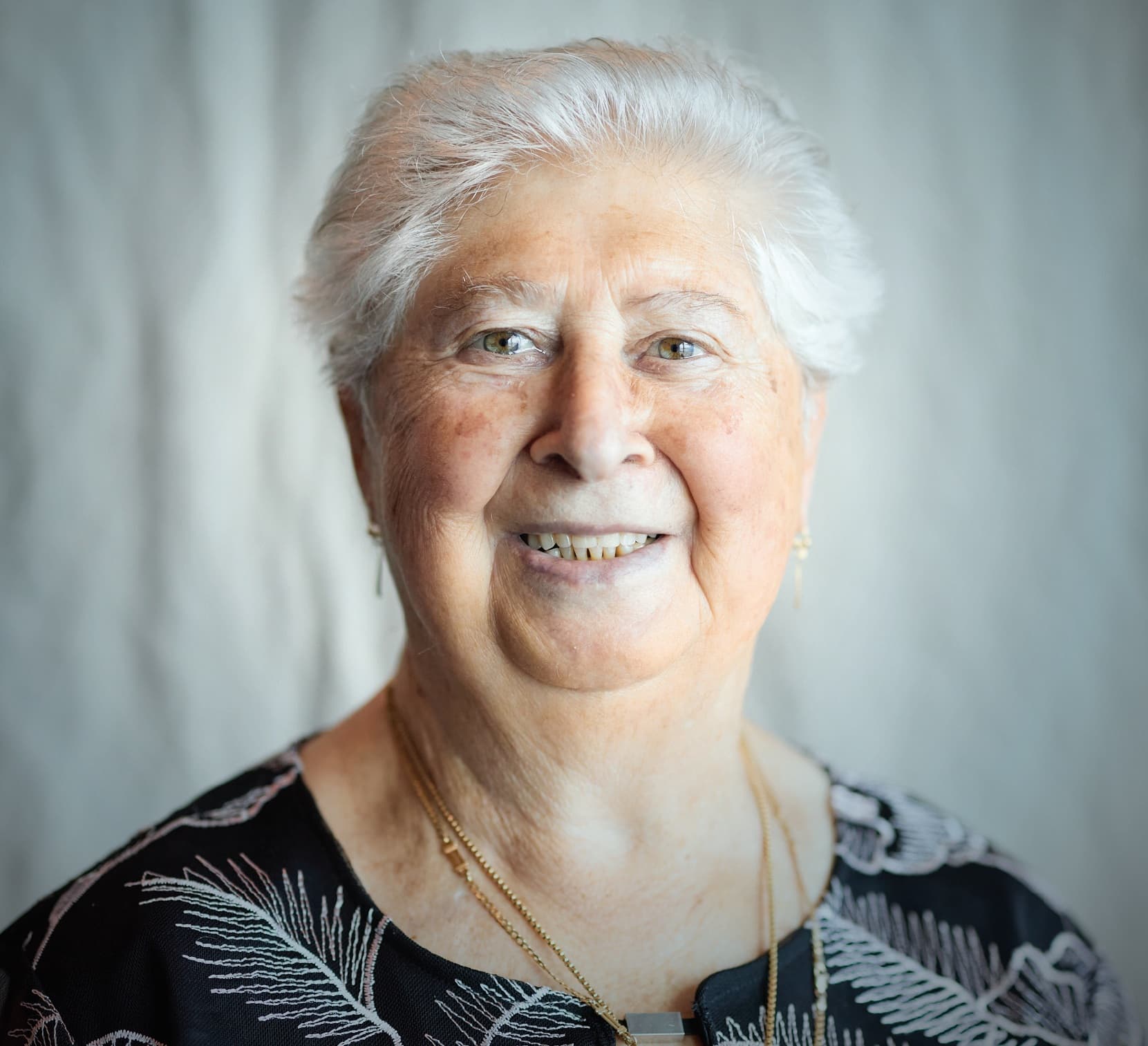
Never look back, look to the future and don't stop.
Image
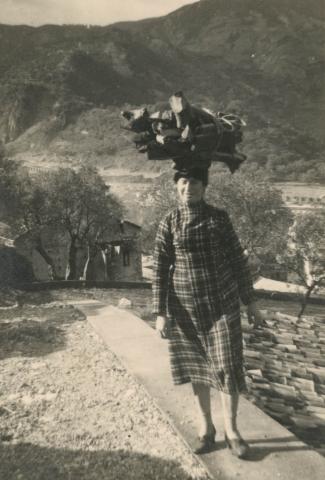
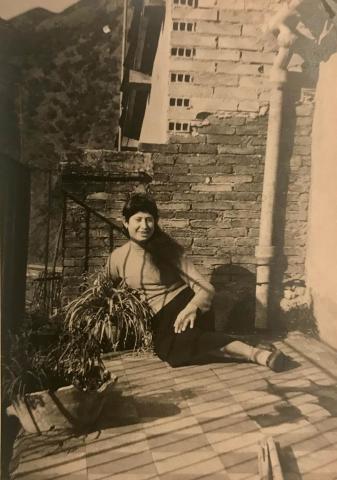
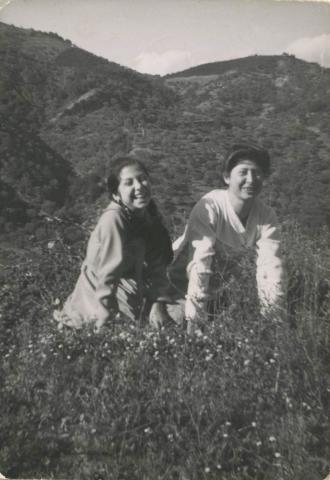
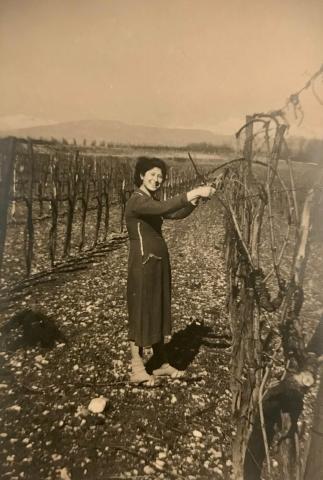
Vittoria Melia was born in November 1938 in the historic town of Bivongi, nestled at the foot of Monte Consolino. As the eldest of five children, she carried a heavy load of family responsibility from an early age. At seven she was already helping her mother in the kitchen, and by nine she was baking bread in the communal oven.
She often cooked for her grandparents as well as her brothers and sisters, attending school when she could, sometimes with her baby sister in tow. School took second place to her duties, and by fifth grade, her education had ended. Olives were central to the family’s work. Vittoria remembers carrying sacks of them on her head from the fields to the cantina (cellar), rain or shine.
Image
She also took to sewing young – cutting patterns, finishing garments and mending whatever could be saved. By lamplight she embroidered late into the evening, and in a frugal household where nothing went to waste, even worn-out clothes were cut into strips for rags.
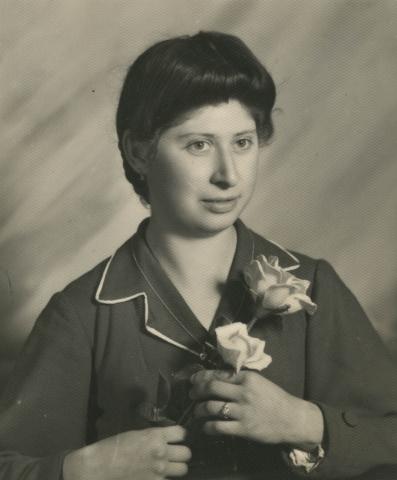
The burden of this life made her quietly promise herself she would only marry if it meant the chance of something better. Still, tradition required that a young woman prepare her own dowry. Vittoria had hers ready within three months, even though she had turned down several suitors. By 21, her family worried she might remain a zitella — a spinster.
Image
Image
Image
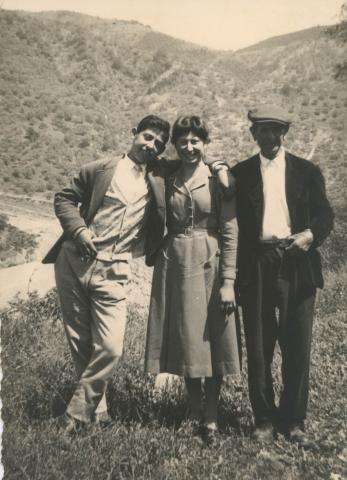
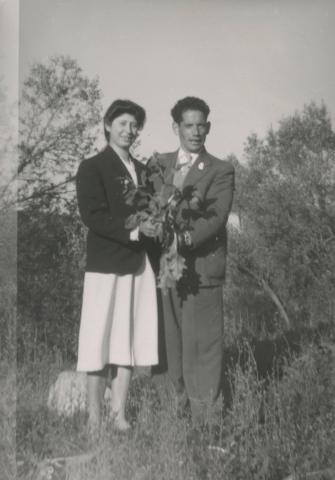
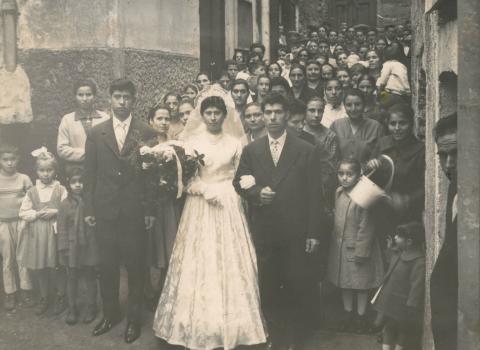
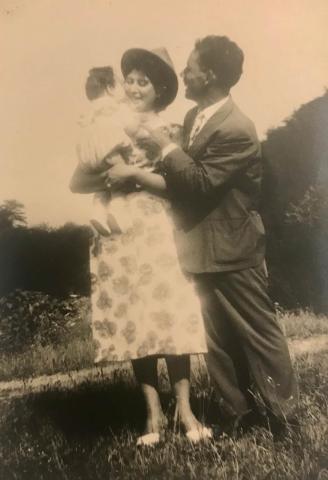
Her marriage to Ottaviano came through an introduction by a family friend. When Ottaviano confided that his family planned to emigrate to Australia, she knew he was the right man for her. They wed in January 1960. Vittoria walked to the church in the rain, followed by family and friends. The reception was a feast for 300 guests, with wedding favours of sugared almonds (confetti) and homemade sweets (dolci).
Image
Image
Image
Image
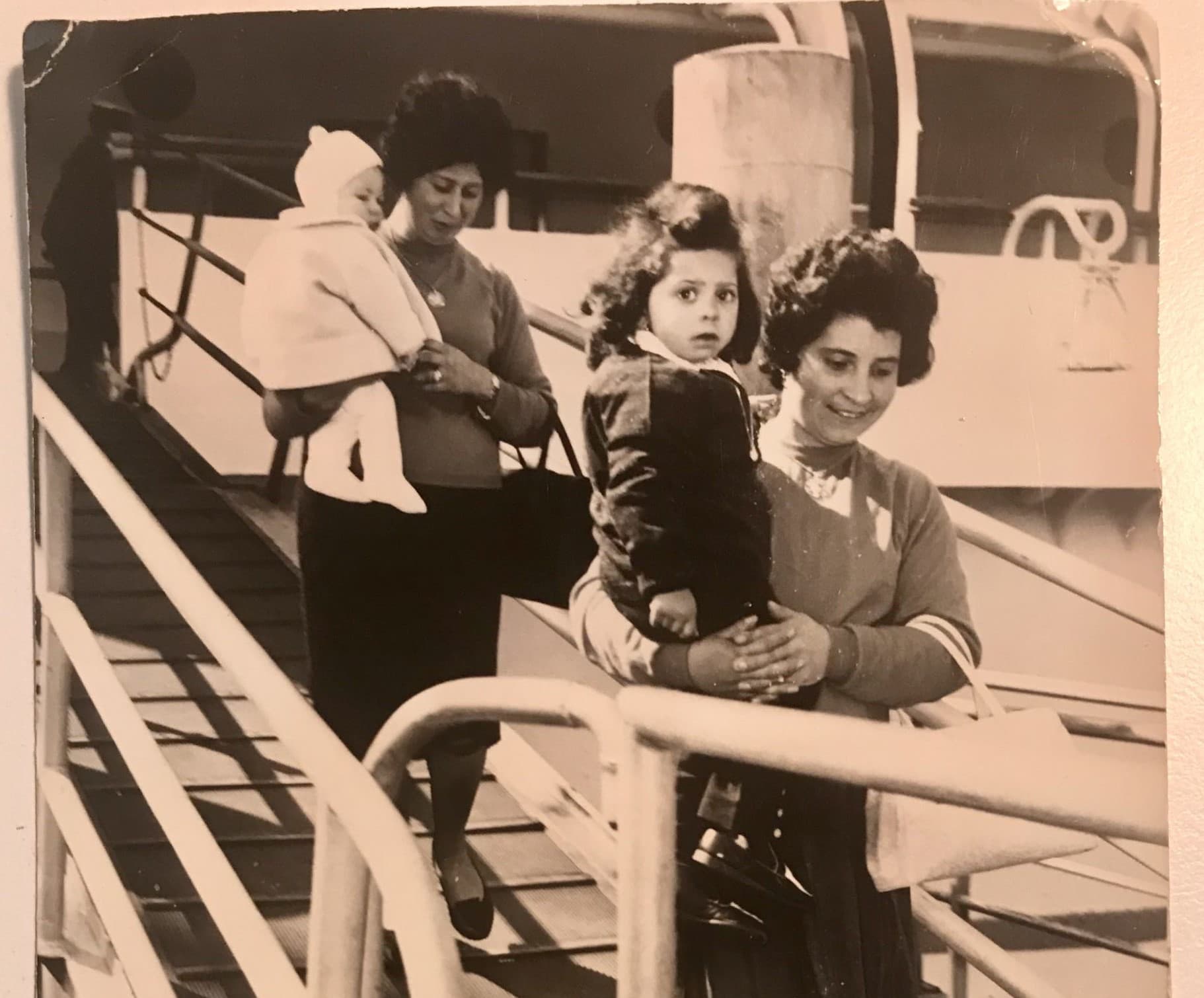
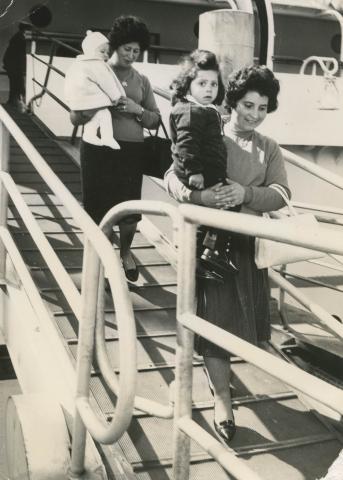
Two years later, Australia beckoned. Ottaviano sailed with his brother in June 1962, arriving in Fremantle the following month. Nine months later, Vittoria followed on the Neptunia with their baby daughter, niece and sister-in-law. She arrived in Fremantle on 6 April 1963. Leaving her family behind was painful, but she believed this path was destined. In Perth, the chance for independence and opportunity proved life-changing — and ultimately, the source of her happiness.
Vittoria recalls the voyage:
Unfortunately, Claudia was seasick for the entire voyage and my niece, who was only 11 months old, was hospitalised. My sister-in-law and I took turns to watch Franca and my daughter for 28 days. The medics warned my sister-in-law daily that if her daughter passed away, they would have to throw her body overboard as they were not permitted to carry cadavers on board the ship.
It was an anxious, heart-wrenching time that made the journey feel endless. When the Neptunia finally docked in Fremantle on 6 April 1963, Vittoria described the relief of stepping ashore:
The day we disembarked in Fremantle was wonderful! A sense of enormous relief that we were finally in Australia and would be joining our husbands any moment was overwhelming! It felt good that I was reunited with my husband Ottaviano and my family was together at last.
That very evening she went to a wedding reception at Maylands Town Hall, surrounded by friends from Bivongi who had already settled in Perth. ‘To be reunited with them was more than I could have ever expected, and it gave me great joy,’ Vittoria said. It was a homecoming of sorts in a brand-new country.
Image
Image
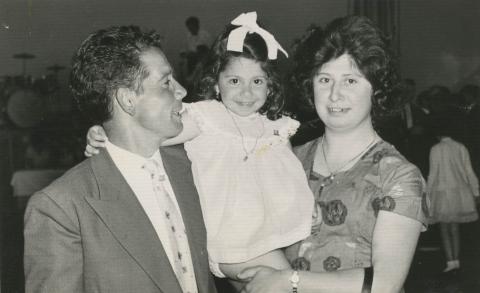
At first, Perth was not what she expected. The city looked shabby to her eyes, and she lived in a crowded weatherboard house with 11 relatives. But she soon found her rhythm. Weekly outings with her daughter became part of life, shopping at Kakulas Bros and the Re Store to find familiar tastes and smells from home.
Life in Australia was still tough – the ache of leaving her family behind never went away but Vittoria embraced the opportunities before her. She lived by her own words: ‘Never look back, look to the future and don’t stop.’
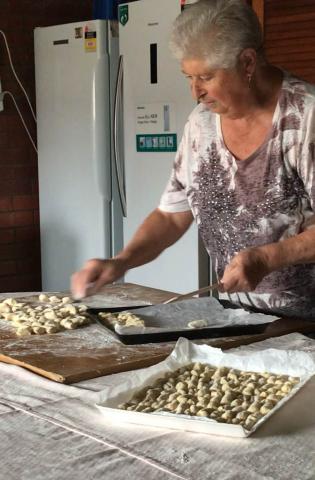
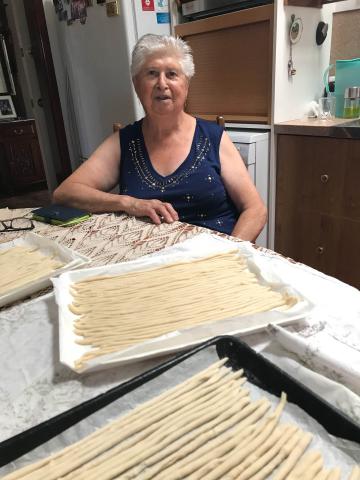
Together, she and Ottaviano built a home that offered love, devotion and opportunity for their children. Vittoria welcomed many to her table and her warmth left a lasting impression on family and friends alike. She is cherished by her children, grandchildren and great-grandchildren, and the community who know her simply as Nonna. Fiercely strong and quietly determined, Vittoria remains her own woman – a steady presence and an inspiration to those around her.
Image
Image
Nonna profiles
Vittoria Melia
Credit: WA Museum